
About Life Beyond Sirens
A question that would not leave me alone.
Life Beyond Sirens began with a paramedic with C-PTSD, and a set of questions the job had never prepared her to answer.

How it started
The uniform comes off. The nervous system does not.
I am Sian. I have worked as a paramedic and in public health and research. I started Life Beyond Sirens due to my own experiences of C-PTSD, not because I had answers, but because I had questions that would not leave me alone. What does this work actually leave in us? Why does the identity fuse so completely with the role? And who are we when the shift ends and the radio goes quiet?
I looked for a space that held those questions honestly, that was grounded in evidence and that felt like it was made by someone who had actually been in the back of an ambulance at 3am. I could not find one. So I built it.
Life Beyond Sirens is not a therapy service, a charity, or a crisis line. It is a community and education initiative, a place to think, to read, to connect.
Why it matters
The research is clear. The conversation is not.
The occupational health and public health psychology literature on emergency services workers is unambiguous: the rates of PTSD, C-PTSD, depression, anxiety and burnout in ambulance staff are substantially higher than in the general population. Cumulative trauma, not single catastrophic incidents, is the primary driver. The nervous system does not distinguish between on-duty and off-duty. The identity fuses with the role in ways that make leaving, retiring, or simply switching off genuinely difficult.
And yet the public conversation around this is still largely framed around resilience as if the problem is a deficit in the individual rather than a predictable consequence of the work. Life Beyond Sirens takes a different view. The research points to systemic and occupational factors: stigma, organisational culture, lack of peer support, and the absence of any meaningful space to process what the job asks of us.
We are not broken. We are responding normally to an abnormal amount of exposure. That distinction matters enormously, for how we understand ourselves, how we seek help, and how we recover.
We are not broken. We are responding normally to an abnormal amount of exposure.
What we stand for
Four principles.
01
Evidence-informed
Everything here is grounded in peer-reviewed research from occupational health, public health mental health, psychology and trauma studies.
02
Lived experience first
The research matters. So does the story. We hold both, because a study without a story misses half the truth, and a story without a study misses the other half.
03
Non-clinical
We are not a therapy service. We are a community and education space. We signpost to professional support and we never pretend to replace it.
04
Open to everyone
In the job, retired, a family member, a researcher, a manager, if the work of emergency services has touched your life, you are welcome here.
The founder
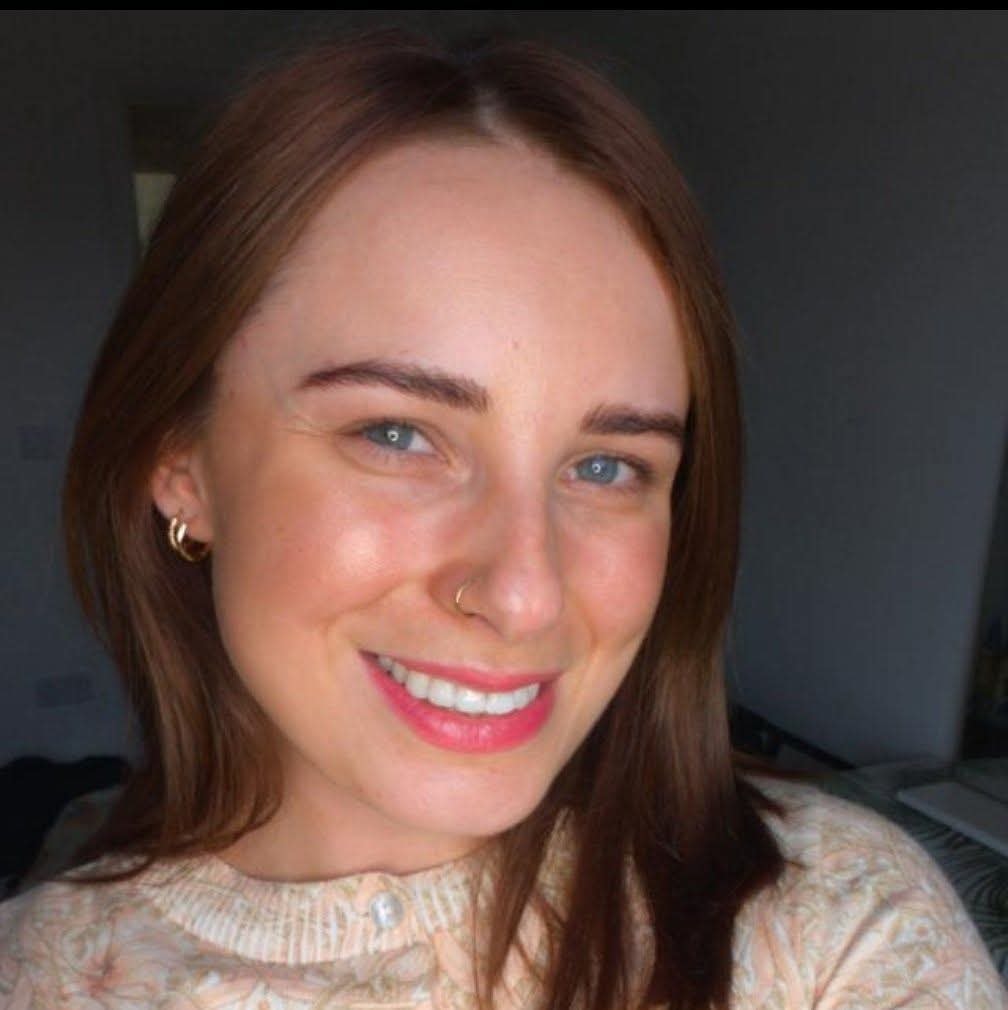
Sian
Paramedic. Counselling student. Working in Public Health and Research. C-PTSD survivor. Life Beyond Sirens is the space she needed and could not find, so she built it.
The invitation
Come as you are.
Curious, sceptical, exhausted, thriving, all of it is welcome.